AEO fundamentals
Should an international brand buy ChatGPT ads or hire an agency for AI mentions?
Ad agencies sell ChatGPT ads. Answer engine optimization (AEO) and generative engine optimization (GEO) agencies sell work on the answer itself, and some agencies sell both. The two get blended in pitches and case studies, and a brand that buys one expecting the other pays for a result it cannot see.
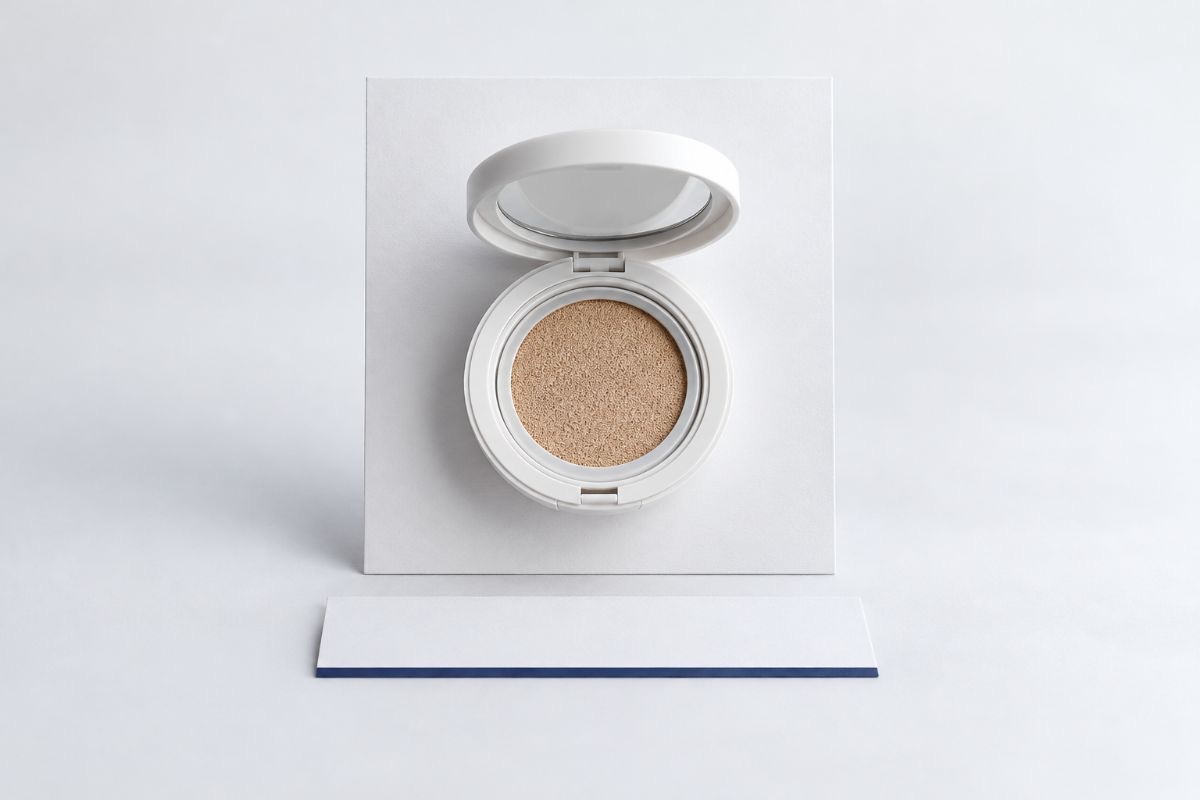
One public example: Edaily reported in June that the Korean agency Wise birds ran ChatGPT ads for CLIO cushion and eye makeup products, shown at the bottom of relevant responses for users in North America (Edaily, Wise birds and CLIO ChatGPT ads, 23 June 2026). The same report says Wise birds pitches GEO combined with paid ads. It gives no campaign figures.
This post sets the two side by side.
Sources checked on 23 October 2026.
What is the difference between a ChatGPT ad and an organic AI mention?
| ChatGPT ad | Organic mention | |
|---|---|---|
| Where it shows | One labeled ad unit below a ChatGPT response | Inside the answer text |
| What picks it | Relevance and advertiser bids, among other factors | The answer, which OpenAI says advertisers cannot shape, rank or alter |
| Who sees it | Free and Go plan users and logged-out visitors in select regions, except accounts identified as under 18. No ads on Plus, Pro, Business, Enterprise or Edu, or near sensitive topics | Anyone on any plan, when the answer names you |
| Which engines | ChatGPT only. Google sells ads in AI Overviews through Google Ads | ChatGPT, Perplexity, Gemini, Claude and Google AI Overviews each write their own answer |
| What you get back | Aggregated figures such as views and clicks | Whatever you measure on a fixed set of buyer questions |
The ad column comes from OpenAI Help Center, Ads in ChatGPT. The Google row comes from Google Ads Help, About ads and AI Overviews.
What does a ChatGPT ad do well?
Advertisers can sign up from outside the US. OpenAI started testing ads in the US on 9 February 2026. Its Ads Manager availability page lists the countries where the legal entity that advertises and pays can be based, Korea and the United States among them (OpenAI Help Center, Ads Manager Availability). The page does not say which countries’ users an advertiser can reach, so ask OpenAI or your agency before you plan a US campaign.
It matches the conversation. The ads system picks an ad from signals that include the current conversation, the ad’s landing page, title and copy, and the advertiser’s targeting choices.
It comes with a report. For the current test, OpenAI gives advertisers view and click counts in aggregate.
What does an organic mention do well?
It is part of the answer. OpenAI keeps the ad system apart from the chat model (OpenAI Help Center, Ads in ChatGPT) and says ads stay “always separate and clearly labeled” (OpenAI, Our approach to advertising).
It reaches people who see no ads. OpenAI shows no ads on Plus, Pro, Business, Enterprise or Edu accounts. A shopper on one of those plans sees the answer and nothing below it.
It works in more than one engine. A shopper who asks Perplexity, Gemini or Claude never sees a ChatGPT ad. Each engine writes its own answer and picks its own sources, so a brand can earn a mention in each one.
Should you stop paying for ads while you work on AI mentions?
No. A brand that US shoppers find only through Amazon ads can keep those ads running and check each month whether ChatGPT, Perplexity and Google AI Overviews name it on the same buyer questions. Keep paid media running while it brings in sales, on Amazon or in ChatGPT.
Then ask the buyer questions your US customers ask in ChatGPT, Perplexity and Google AI Overviews, and note who the answers name. If the answers name competitors and leave you out, an ad below the answer leaves that gap open. Organic work changes what the engines read: your own product pages, the review and editorial sites they cite for your category, and the product facts they repeat.
How do you check an agency case study that mixes ads and organic mentions?
When a case study names no client or reports only search keyword rankings, ask for the client name and the AI mention counts. When a case study shows AI mentions going up, check the timeline for an ad campaign, a model update or a site change in the same weeks. Whoever runs the work, ask for a report that keeps the two apart:
- Fix the buyer questions. Use the same questions in the same wording each month, so one month compares with the next.
- Record the answer and the ad in separate columns. For each question and engine, note whether the answer text names the brand and whether a sponsored unit appeared. In Google AI Overviews, ads can sit above, below or inside the overview, so note where.
- Date every campaign. Put Amazon and ChatGPT ad flights, site changes and new articles on the same timeline as the mention counts.
- Count only the answer text as a mention. A sponsored unit below the answer counts as ad reach.
With the two blended into one number, nobody can tell which one moved. For the rest of a monthly report, see how AEO agencies prove results.
Where does SearchD fit?
SearchD works on the organic side and tracks a prompt panel, the same buyer questions asked in several AI engines on a schedule (SearchD, How it works). Before you decide on ads, send your URL: SearchD runs 20 buyer questions by hand in five engines and sends the transcript within 48 hours. If you are comparing agencies, start with which AEO agencies work with Asian brands in the US.
Related questions
Do ChatGPT ads change what ChatGPT says about my brand?
OpenAI says they do not. Its help center describes ads as separate from the answer and clearly labeled, and says advertisers cannot shape, rank or alter the response. An ad adds a unit below the answer; the answer itself is unchanged.
Can a brand outside the US advertise in ChatGPT?
OpenAI's Ads Manager availability page lists the countries where an advertiser's legal entity can be based. Being on that list does not say which users the account can reach, so confirm targeting with OpenAI or your agency before planning a US campaign.
Should we pause ads while we work on AI mentions?
No. Ads and organic work answer different gaps. Keep paid media running while it brings in sales, and measure organic mentions on a fixed set of buyer questions alongside it.
Can SearchD show where we stand in AI answers today?
Yes. SearchD, an answer engine optimization agency for international brands selling in the US, offers a free report: send your URL and SearchD runs 20 buyer questions across ChatGPT, Perplexity, Claude, Gemini and Google AI Overviews by hand and sends the transcript back within 48 hours.